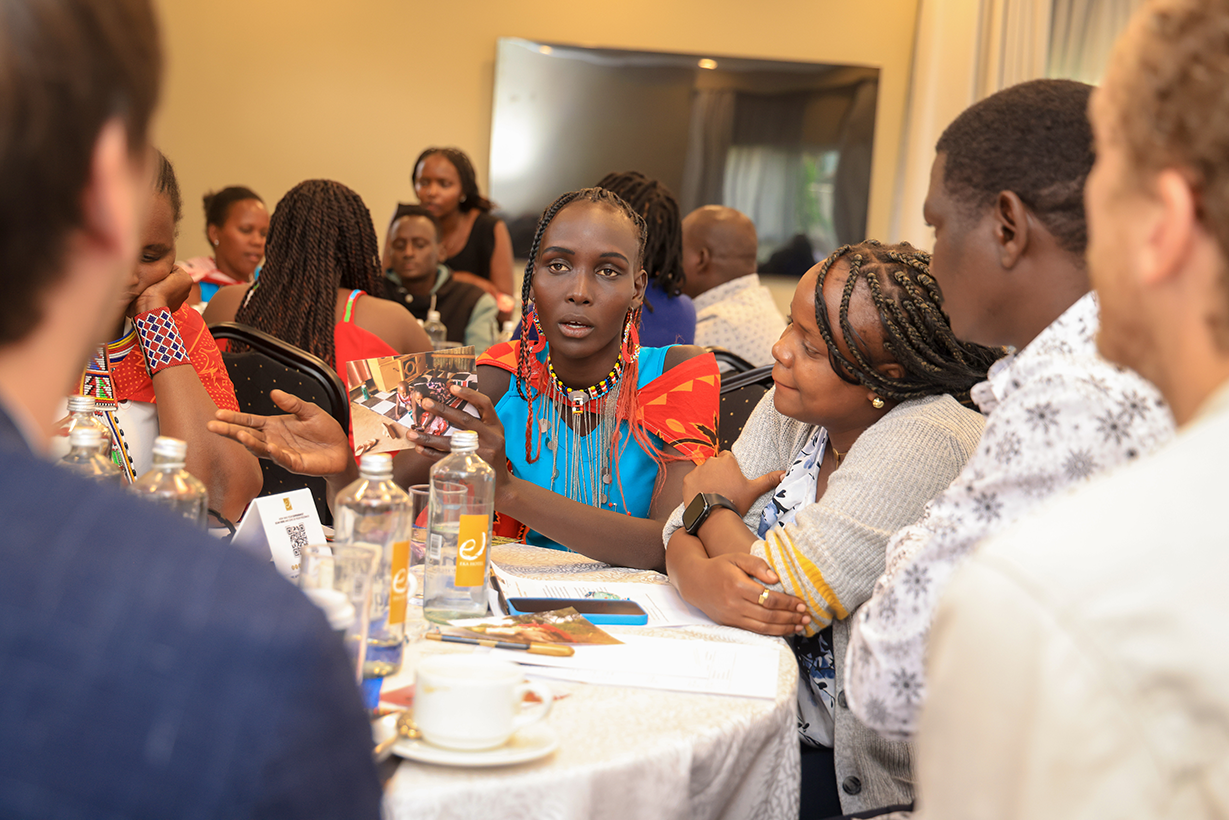
A policy dialogue as part of Envisioning Resilience Kenya recently brought national decision-makers together with women from arid and semi-arid regions to discuss the latter’s experiences with climate impacts, documented through photography and storytelling. The policy dialogue marked the culmination of a months-long process where seven women from Kajiado county’s Maasai community, south of Nairobi, were trained to create visual stories that reflect their realities and their visions of resilience. These stories—shown through a photography exhibition and a collective narrative to policy-makers and key actors in Kenya’s adaptation space—set the tone for the day’s discussions. This is the second time that the Envisioning Resilience initiative, which aims to elevate women’s voices in climate change adaptation planning through visual storytelling, takes place in Kenya. Building on the experiences from the pilot phase back in 2021, support was provided by four partners, each bringing their unique expertise and perspectives: the Climate Change Directorate in the Ministry of Environment and Forestry, the National Adaptation Plan (NAP) Global Network, the social enterprise Lensational, and the non-governmental organization Springs of the Arid and Semi-Arid Lands (SASAL). 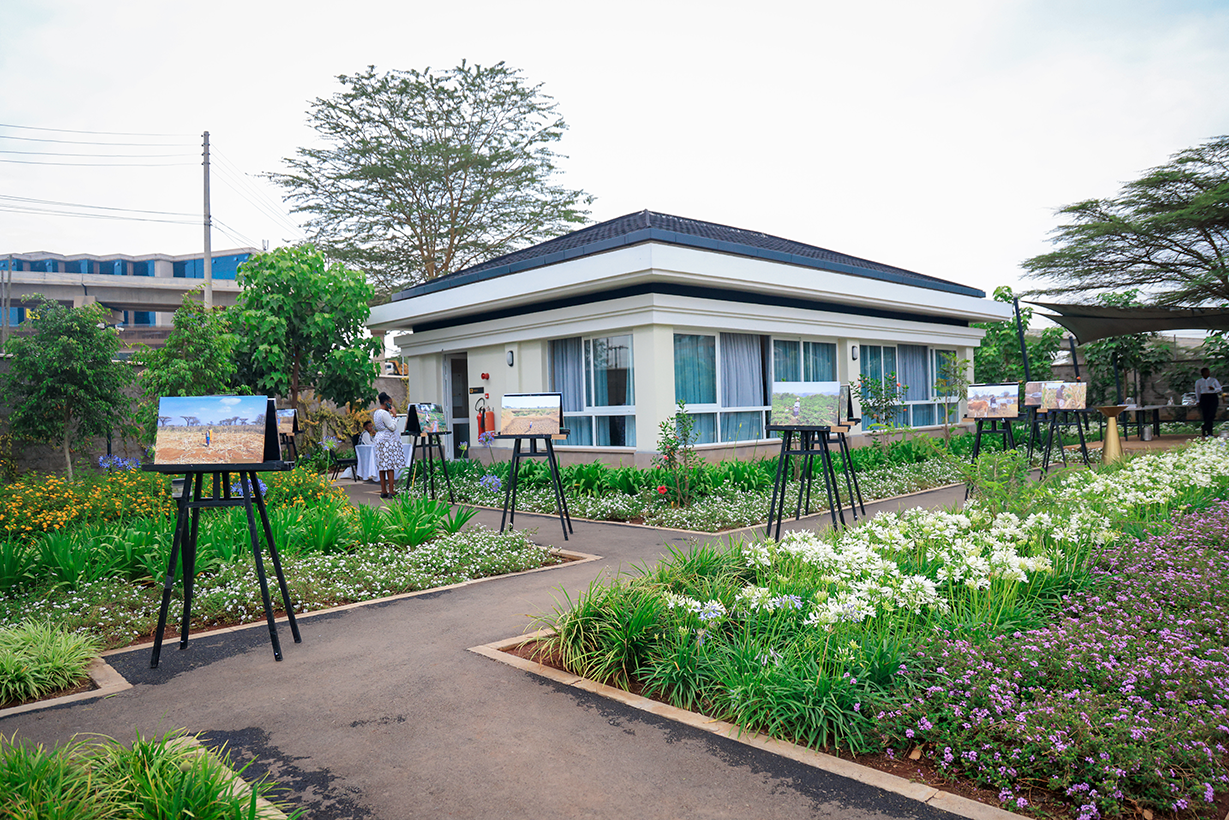
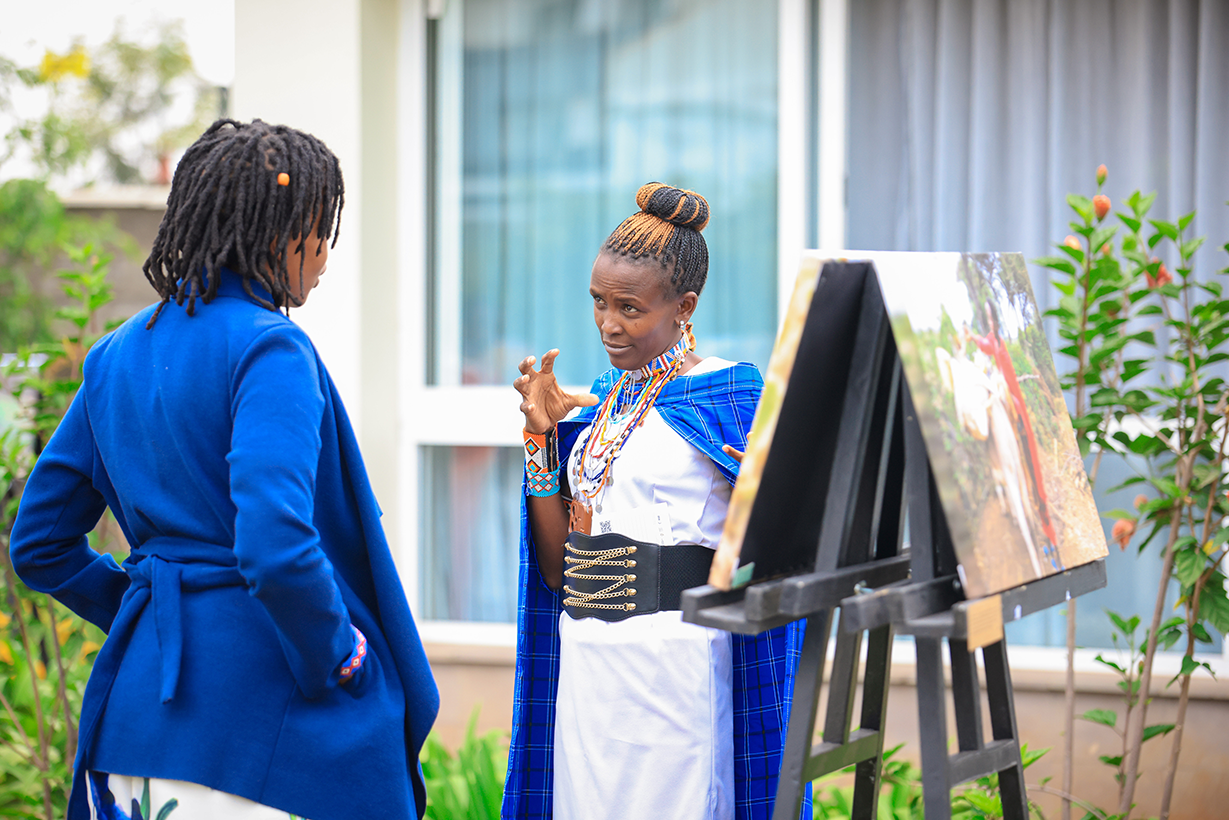
“The Envisioning Resilience initiative is informative as well as transformative. The stories we heard today show the resolve and ingenuity with which communities are adapting to challenging conditions. As we advance with the implementation of Kenya’s National Adaptation Plan, we need to continue to capture and elevate these stories to raise awareness about good practices, while strengthening capacity of communities and offering more coordinated support and financing, including through existing mechanisms such as the Financing Locally-Led Climate Action (FLLOCA) program.”Thomas Lerenten Lelekoitien, Deputy Director – Climate Change Adaptation – Climate Change Directorate, Ministry of Environment, Climate Change and Forestry
Key outcomes of the discussions included concrete suggestions from policy-makers to expand the reach of the stories by turning them into case studies supporting community-led adaptation efforts across the country. Participants also committed to better integrating women’s perspectives into adaptation planning at both the county and national levels. In parallel, the seven trainees have emerged as confident and valuable voices representing their communities in policy-making. Government actors and the media are keen for them to share their stories and testimonies to inform, and better illustrate, the NAP process.