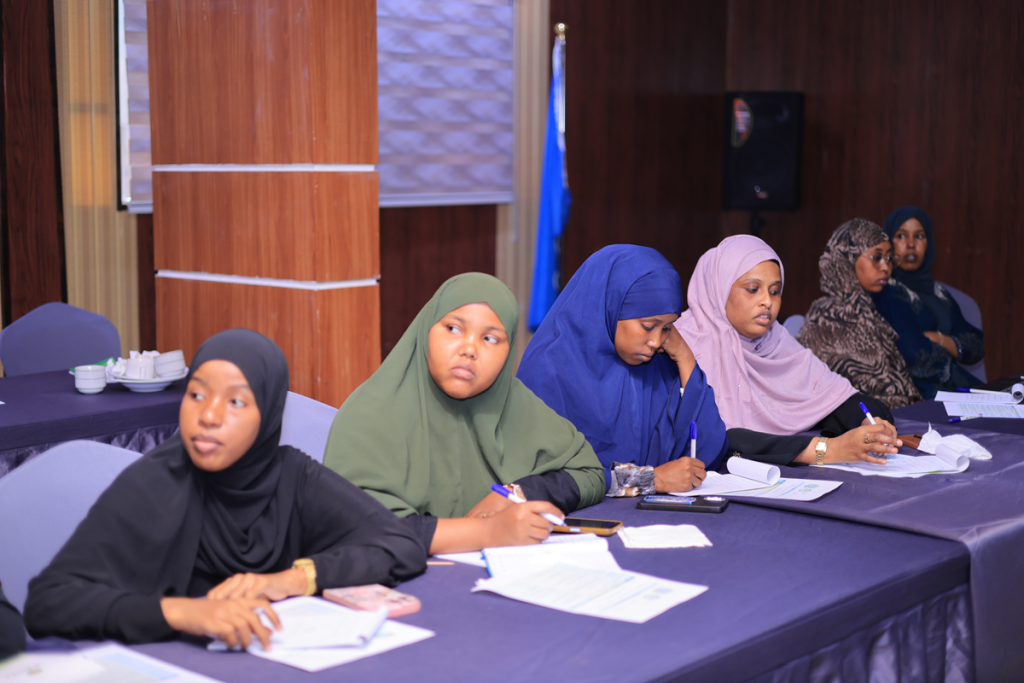
On October 21, 2025, the Government of Somalia hosted a workshop in Mogadishu, where key actors validated the country’s first National Climate Change Action Plan 2025–2030 (NCCAP). The plan facilitates the implementation of Somalia’s national and international commitments on climate change, including the priority actions identified in its National Adaptation Plan (NAP), Nationally Determined Contribution 3.0, and National Transformation Plan 2025–2029.The workshop convened over 40 representatives from government, civil society, academia, development partner organizations, and the private sector to confirm the key actions set out in the plan for the seven priority sectors: Agriculture, Livestock, Fisheries and Food Security; Water Resources Management; Forestry and Biodiversity; Health, Sanitation and Human Settlements; Municipalities and Urban Development; Disaster Risk Management; and Energy and Transport.The NCCAP provides a roadmap for climate change action to 2030, with an emphasis on adaptation. It sets out objectives, priority actions, timelines, implementation structures, financing mechanisms, and a monitoring, evaluation, and learning system. 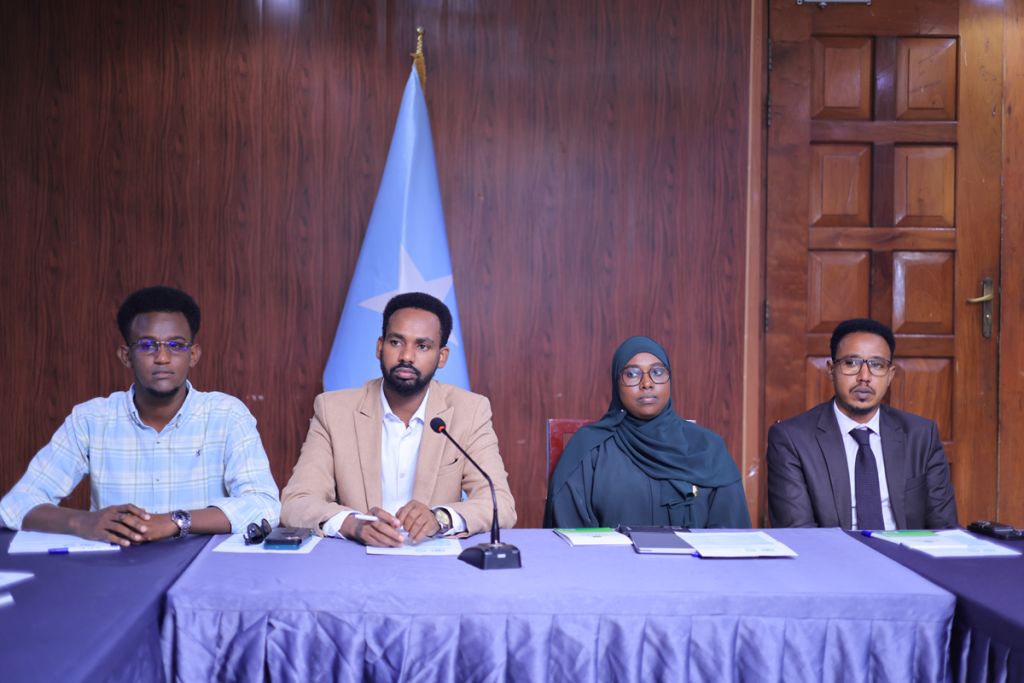
“Adaptation actions are prioritized in this NCCAP because of the devastating impacts of droughts, floods, and extreme weather events in Somalia and the negative effects of climate change on vulnerable groups, including children, youth, women, people with disabilities, internally displaced persons, and minority groups.” —Abdirisak Ahmed Ali, Director General, MoECC
In this workshop, gender equality and social inclusion (GESI) considerations were highlighted, drawing on the experience of two Somali representatives who participated in the NAP Global Network’s training workshops on mainstreaming GESI in NAP processes.
“Inclusive climate governance requires integrating the perspectives, capacities, and lived experiences of youth, women, and children in policy formulation, implementation, and monitoring. These groups represent the foundation of the nation’s resilience and must be actively engaged as agents of change, not merely as beneficiaries of climate policies.” — Ahmed Abdi Osman Farole, Head of Youth, Children & Gender Affairs, MoECC