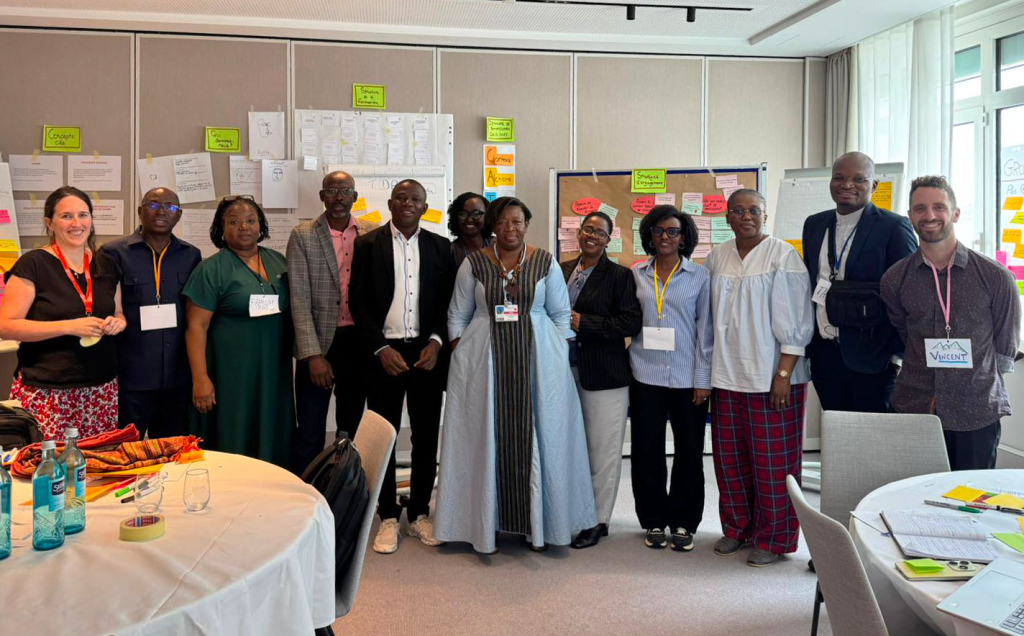
On the sidelines of the 2026 UN Bonn Climate Change Conference, five African countries met in June for a training of trainers (ToT) session on integrating gender equality and social inclusion (GESI) in national adaptation plan (NAP) processes.
Organized by the NAP Global Network, this in-person workshop brought together 10 government representatives from five countries—Benin, Burkina Faso, Burundi, the Democratic Republic of the Congo, and Rwanda—on June 16 and 17 in Bonn, Germany, as part of a program that combined online learning with this 2-day session.
This blended learning experience aimed to equip participants not only with technical knowledge on gender-responsive and socially inclusive adaptation, but also with the skills to deliver engaging and impactful training in their home countries.
“The techniques I learnt directly enhance my analytical capacity: I can now carry out more nuanced assessments of climate risks by taking gender and social factors into account, facilitate participatory assessments and propose inclusive adaptation measures,” said Rwanda’s national gender and climate change focal point, Olive Mukandahiro, at the Rwanda Environment Management Authority.
This initiative responds to a growing recognition: while many countries reference gender in their NAPs, further efforts are needed to translate these commitments into concrete actions, tools, and institutional practices.
By strengthening national capacities to operationalize GESI in NAP processes, this initiative contributes directly to the implementation of the UNFCCC Gender Action Plan, which calls for enhanced coherence, capacity development, and gender-responsive climate policies.
From Theory to Practice
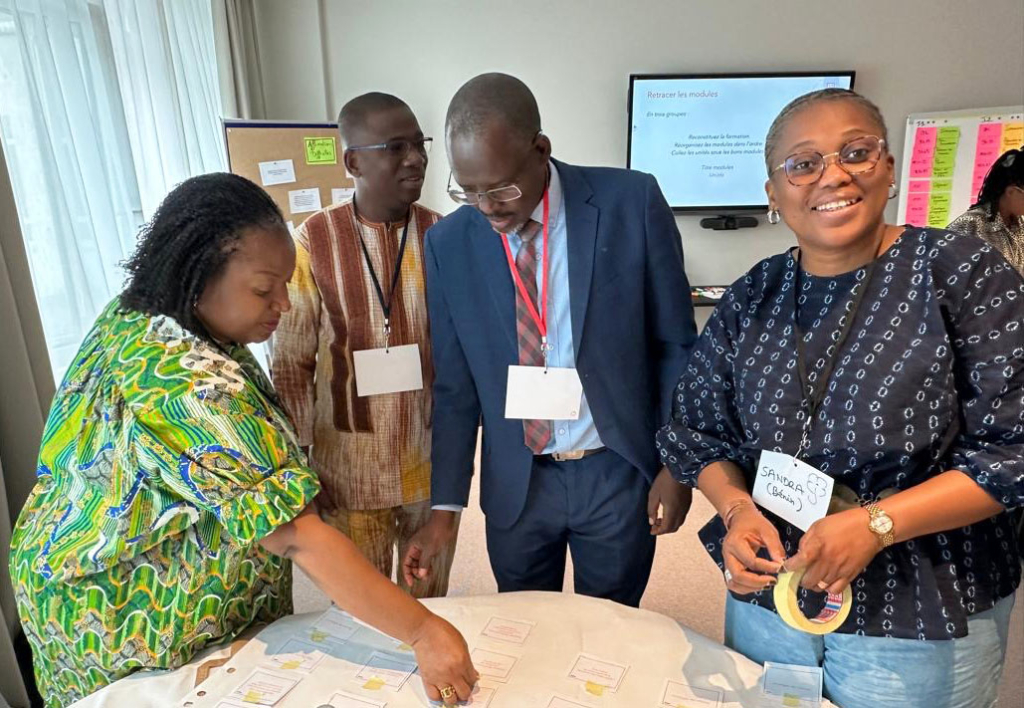
The ToT program lasted several weeks, beginning with three interactive online sessions held last May and early June. These sessions introduced participants to the training materials, explored core concepts related to adaptation and GESI, and strengthened facilitation skills for adult learning.
The program culminated in a 2-day, in-person workshop in Bonn, organized alongside the United Nations Framework Convention on Climate Change Subsidiary Bodies meetings. This session focused on hands-on practice, allowing participants to facilitate selected training modules, receive peer feedback, and refine their approaches.
By the end of the training, each national team developed a draft plan and terms of reference for rolling out a tailored training in their country.
The ToT approach is central to the NAP Global Network’s efforts to help countries strengthen sustainable, country-driven capacity. Each team from these five countries will now receive coaching to organize a national workshop, which is expected to reach approximately 30 participants per country, including government officials, technical experts, and other stakeholders involved in adaptation planning. At the end of the program, they will be able to replicate the training for other adaptation actors.
This cascading model significantly expands the initiative’s reach, creating a multiplier effect that can accelerate the integration of GESI into NAP processes across multiple sectors and levels of governance. Each training is designed so that every participant will identify one or two actions they will personally take forward to advance GESI considerations.
“Now that we are back in our country, our priority is to carefully adapt and structure the tools we have been provided so that they are tailored to the realities of our country. In August, we will be delivering a very high-quality training and passing on the knowledge we gained to around 30 key stakeholders. This will help ensure the implementation of our NAP truly follows a gender-responsive and socially inclusive approach,” said Burkina Faso’s national gender and climate change focal point, Yvonne Yameogo.
Looking Ahead: From training to action
With the completion of the Bonn workshop, participants are now moving into the next phase of the program: delivering customized, in-country trainings between July and September 2026. These workshops will adapt the materials developed by the NAP Global Network to national contexts and priorities.
A peer learning session is planned in October to conclude the program. Participants will share lessons learned, reflect on their experiences, and contribute to further improving the training materials.
“The NAP processes present an important opportunity to address structural inequalities and ensure that adaptation actions reach and benefit those most vulnerable to climate change,” said NAP Global Network’s senior policy advisor for GESI, Aurélie Ceinos. “Integrating GESI into adaptation planning is essential for ensuring that climate responses are effective, equitable, and sustainable.”