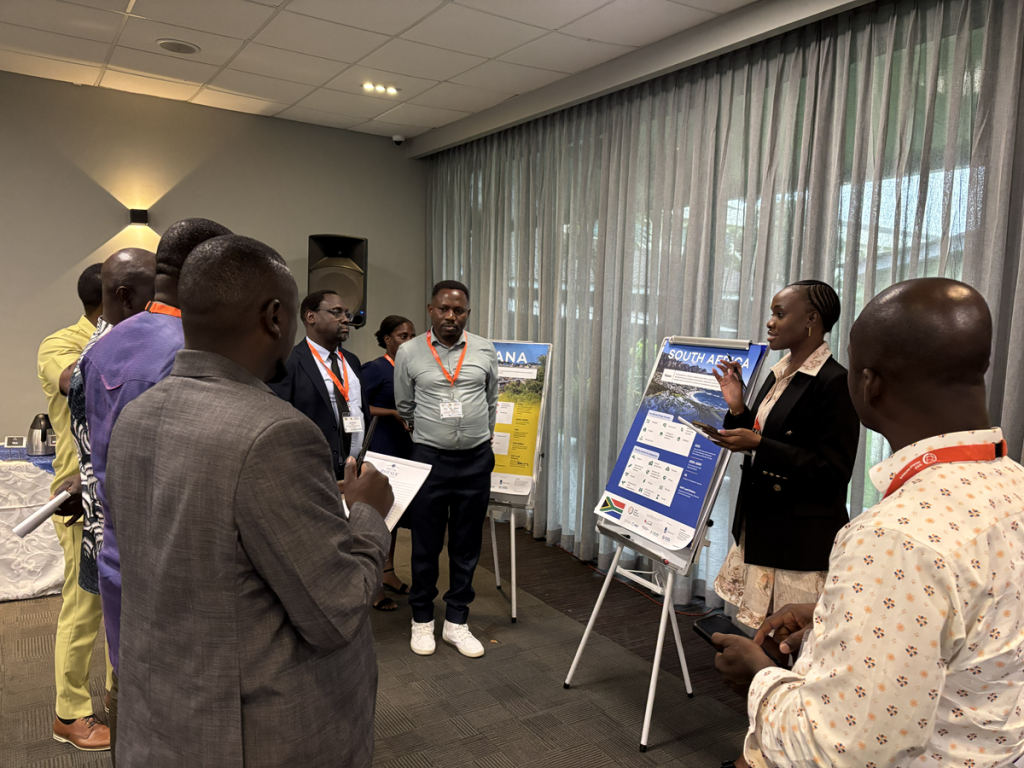
ACCRA, Ghana — From August 17 to 19, the governments of Ghana, Kenya, the Netherlands, and South Africa are convening in the Ghanaian capital for a new round of dialogues to accelerate national action on climate change adaptation and strengthen climate resilience. The meeting is timely as escalating climate risks continue to affect communities and an El Niño weather pattern threatens to push global temperatures higher.
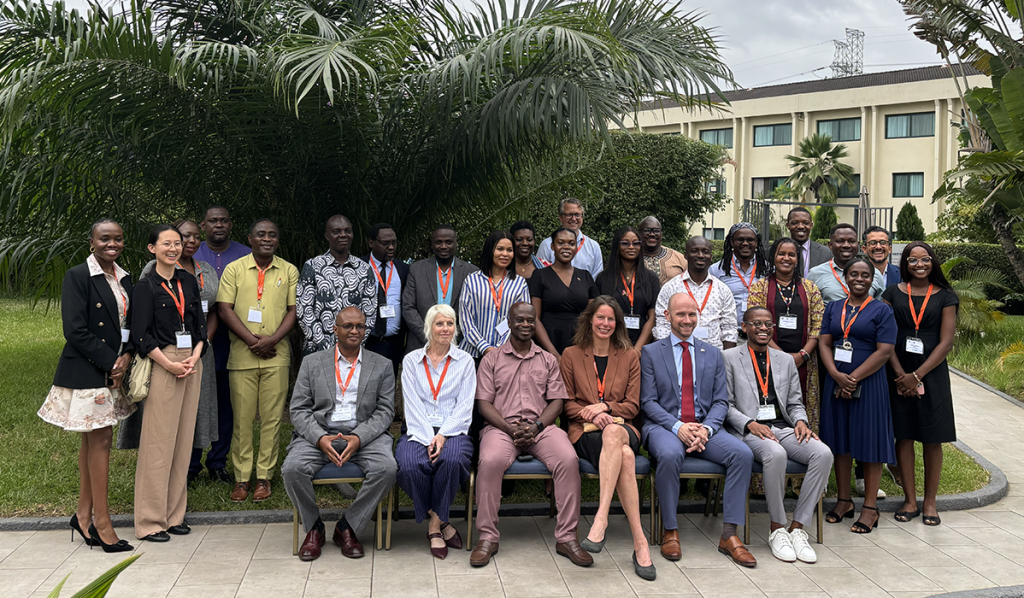
The four-country peer learning event, co-organized by the Government of Ghana and the NAP Global Network, brings together key government decision-makers leading adaptation planning processes, as well as adaptation project implementers.
Following the launch of the peer learning series in South Africa last April, this peer learning event on Accelerating the Transition from Planning to Implementation in National Adaptation Plan Processes provides a platform for countries to resume technical talks on scaling up national responses to climate change impacts in a coordinated and effective way, exchanging opportunities, challenges, and experiences in shifting from planning to adaptation action.
“As we grapple with the impacts of climate change, turning national policy into action through the country’s NAP process is the next goal to achieve climate change adaptation at scale,” said Nana Dr. Antwi-Boasiako Amoah, director, Adaptation, Climate Resilience and Risk Management, Climate Change Department for Ghana’s Environmental Protection Authority and current chair of the African Group of Negotiators.
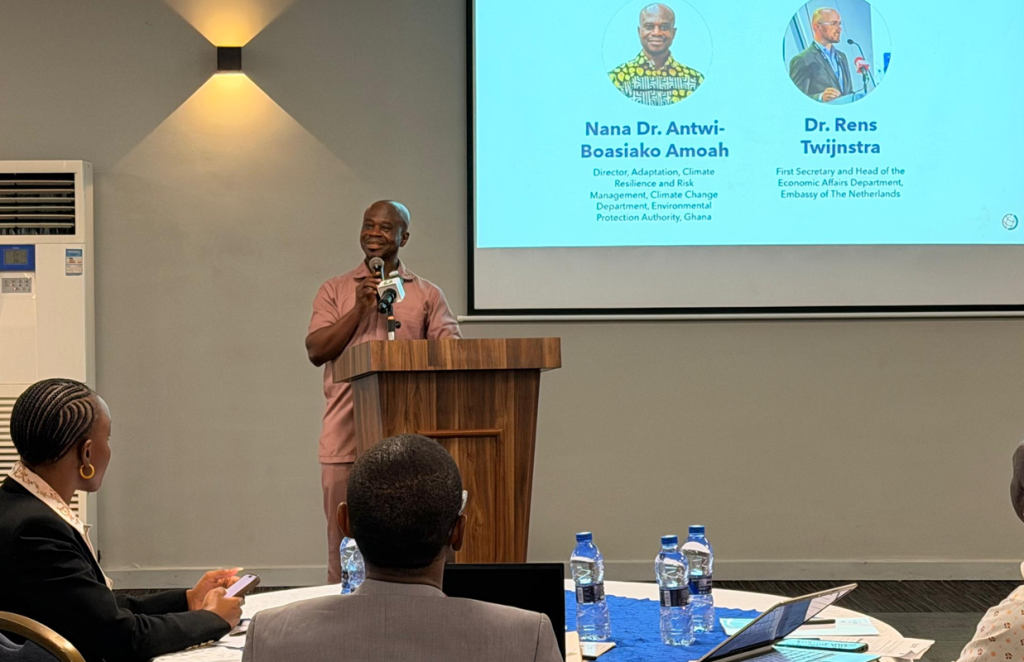
For the host nation Ghana, this session builds on national momentum following the submission of its first NAP document to the United Nations Framework Convention on Climate Change this year—a significant milestone in the country’s climate-resilience journey.
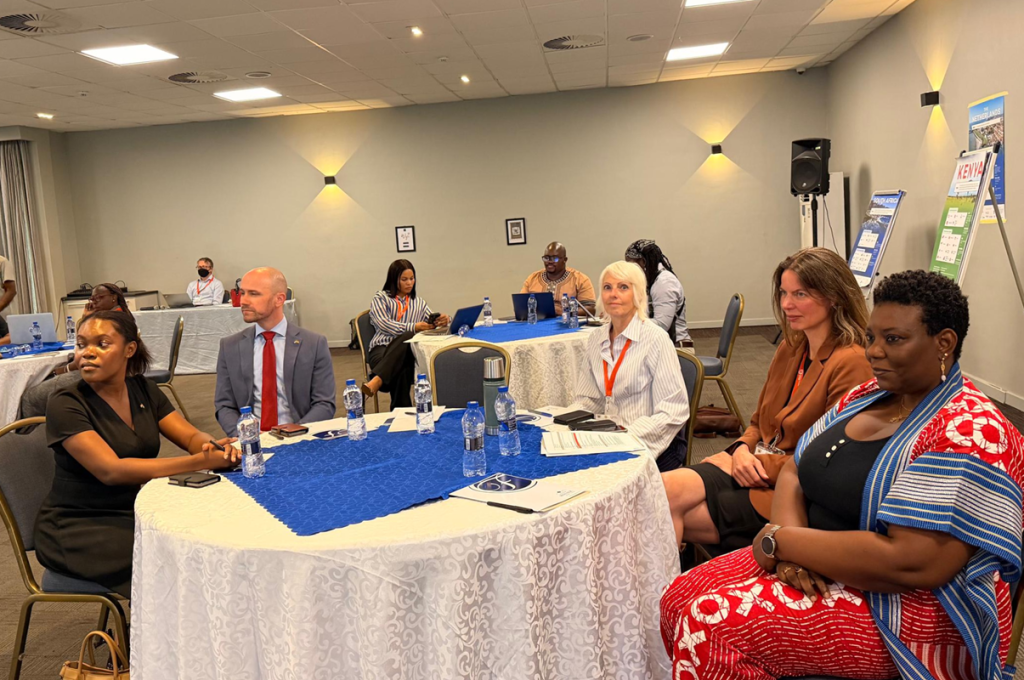
This second peer learning event highlights real-world examples of how governments are connecting adaptation projects to their NAP processes—a key mechanism to put adaptation at the centre of decision making. This new session also allows countries to explore practical pathways to accelerate the implementation of adaptation priorities, shape funding and resourcing needs for adaptation actions, and strengthen enabling factors for good adaptation planning, ensuring the effective delivery of adaptation.
“Turning adaptation planning into reality takes an integrated approach—one rooted in strong governance, leadership, cross-sector collaboration, active engagement, clear tracking mechanisms, and learning,” said Dr. Rens Twijnstra, the Netherlands’ first secretary and head of the Economic Affairs Department. “We are eager to build on this collective momentum and learn alongside our partners across the region to turn adaptation projects into reality.”
The Government of the Netherlands, which is also responding to climate hazards through innovative solutions, actively collaborates with African partners on climate change adaptation, including projects focused on water security and agricultural and urban resilience.
With more intense climate hazards—such as heatwaves, droughts, floods and sea level rise—stronger weather patterns like this year’s El Niño event may further compound climate risks. The impacts of climate change are already affecting millions worldwide, particularly in Africa, a continent warming faster than the global average.
Almost every country in the world has a government-led NAP process underway to plan, finance, implement, and track progress on adaptation action, building climate resilience to protect people, livelihoods, economies, and ecosystems with gender-responsive, socially inclusive approaches. However, many developing countries continue to face major challenges in moving from adaptation planning to implementation of their adaptation priorities, particularly in accessing finance at the scale and speed required.
“Despite the major shifts in the international landscape of support and other climate challenges, we are seeing more momentum on NAP processes than ever before,” said the NAP Global Network Secretariat’s head, Dr. Orville Grey. “Through this peer learning event, we aim to bolster good adaptation planning by helping countries decide, act, and adjust in uncertain times.”
The NAP Global Network, with funding from the Government of the Netherlands, is continuing this peer-learning series, which has convened in-person peer-learning events and virtual workshops focused on the transition from planning to implementation in the NAP process.
At the international level, the NAP process was established under the United Nations Framework Convention on Climate Change in 2010 to help countries identify and address their medium- and long-term priorities for adapting to climate change.
CONTACTS
- Ruby Kortey
Assistant Corporate Affairs Officer, Environmental Protection Authority
ruby.kortey@epa.gov.gh
- Adrián Estanol
Communication Officer, NAP Global Network
aestanol@iisd.ca
- Juliet Perry
Communication Manager, IISD
jperry@iisd.ca
About the NAP Global Network
The NAP Global Network was created in 2014 to support developing countries in advancing their NAP processes, and help accelerate adaptation efforts around the world. To achieve this, the Network facilitates South–South peer learning and exchange, supports national-level action on NAP formulation and implementation, and generates, synthesizes, and shares knowledge. The Network’s members include individual participants from more than 170 countries involved in NAP processes. Financial support for the Network has been provided by Austria, Canada, Germany, Ireland, the Netherlands, the United Kingdom, and the United States. Additional support has been provided by the ClimateWorks Foundation. The Secretariat is hosted by the International Institute for Sustainable Development. For more information, visit www.napglobalnetwork.org.
- NOTES TO EDITORS