
How Arts, Culture, and Community Engagement Are Driving Climate Resilience in Saint Lucia

As a Small Island Developing State nestled in the Caribbean Sea, Saint Lucia’s vulnerability to climate threats remains high. Almost yearly, citizens are reminded of this reality by increasingly intense and unpredictable weather systems that threaten lives and livelihoods in vital industries such as agriculture, water, tourism, and fisheries.
Rising temperatures already strain food security and water supply—so much that in May 2024, the Government of Saint Lucia declared a national water emergency. Just weeks later, Hurricane Beryl made history with its unusually rapid and powerful development outside of the rainy season, making landfall on July 1, 2024, and causing significant damage, particularly along the southwest coast of Soufrière.
These mounting pressures underscore the urgency for coordinated long-term policy development and public sensitization. For this reason, Saint Lucia, through the Department of Sustainable Development (DSD), is steadily advancing its NAP process with support from the International Institute for Sustainable Development, through the 2023–2026 NAP Green Climate Fund (GCF) Readiness Project.

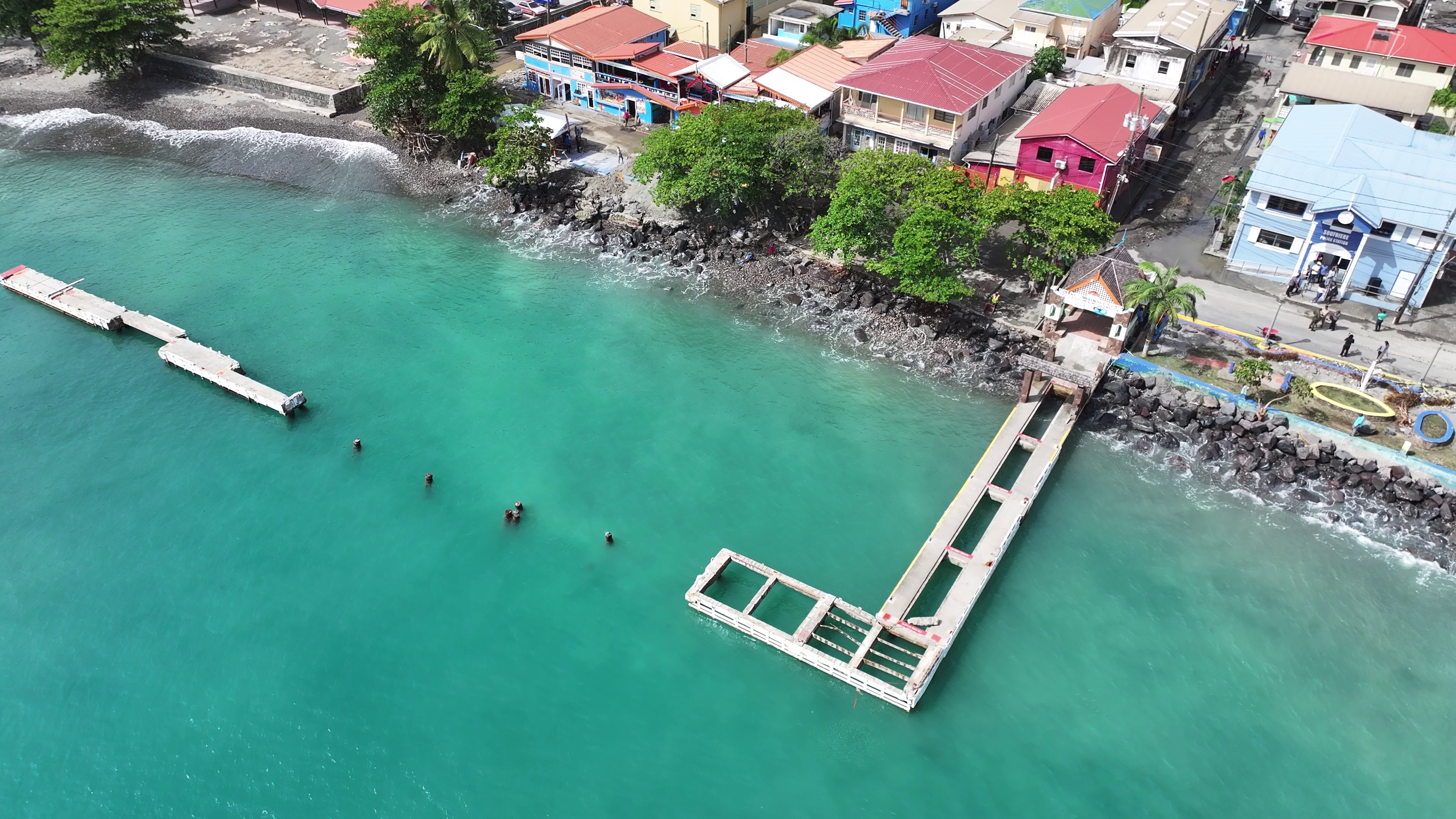
In 2024, Hurricane Beryl ripped through Saint Lucia, particularly along the southwest coast of Soufrière. (Photo: Kurt Romulas)
In 2024, Hurricane Beryl ripped through Saint Lucia, particularly along the southwest coast of Soufrière. (Photo: Kurt Romulas)
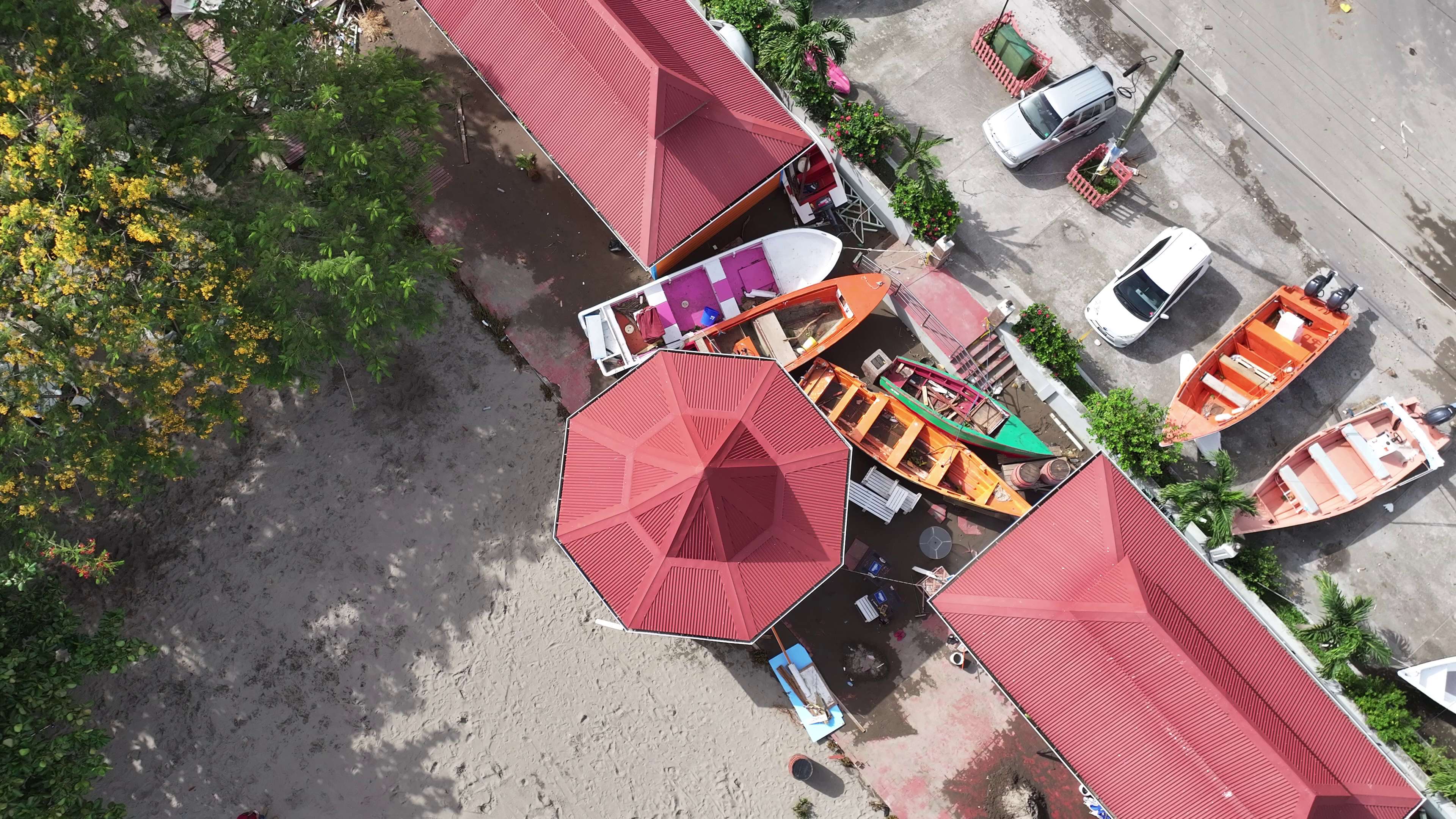
Hurricane Beryl made history with its unusually rapid and powerful development outside of the rainy season. (Photo: Kurt Romulas)
Hurricane Beryl made history with its unusually rapid and powerful development outside of the rainy season. (Photo: Kurt Romulas)
Saint Lucia’s ongoing NAP process hinges on engagement to shape climate planning, policy, and response. The DSD maps engagement through the National Climate Change Committee, a multistakeholder body that it chairs, with representatives from government, civil society, and the private sector.
Engagement also includes raising awareness to deepen the understanding of climate change risks, impacts, and opportunities. Sensitization efforts include producing public service announcements, exhibitions, debates, youth outreach, and consultations that aim to impact and change attitudes, ultimately encouraging individuals and communities to explore, embrace, and make climate-conscious choices. The NAP process is thus advancing two parallel tracks: (i) policy development through engagement and (ii) public sensitization/mobilization.
Work under the GCF NAP Readiness Project in 2025 placed an emphasis on broad-based sectoral consultations, community workshops, and youth engagement, ensuring that adaptation is not just a government initiative, but a shared national mission.

Broad-Based Engagement: Building national climate resilience
One major component of the GCF NAP Readiness Project is the completion of Sectoral Adaptation Strategies and Action Plans (SASAPs) for key sectors—tourism, education, and infrastructure and spatial planning.
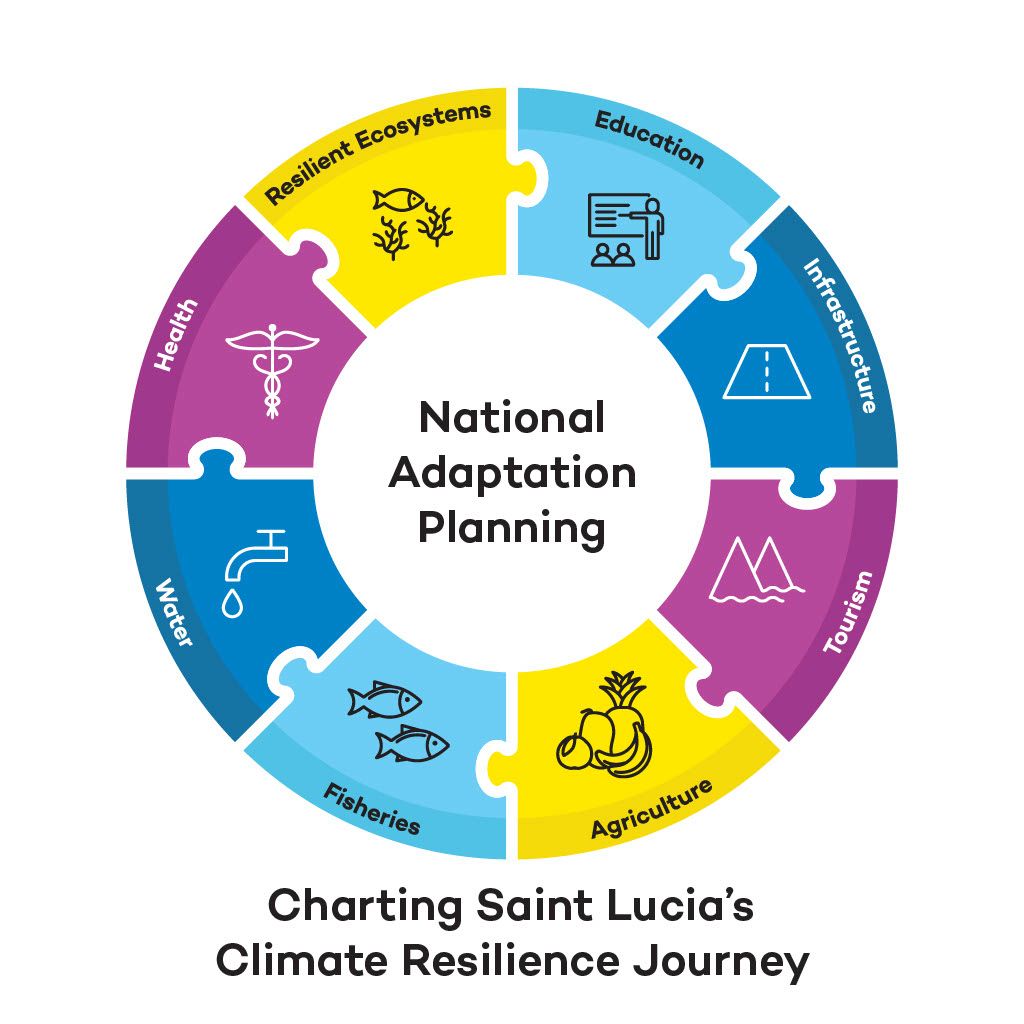
A SASAP is a sector-specific plan developed under the country’s NAP process that outlines its main climate risks and vulnerabilities, as well as strategies, priorities, and concrete actions to reduce those risks and strengthen resilience. The completion of these three SASAPs coordinated under the project will complement the existing five sectoral plans developed under the NAP process in 2018, accounting for the eight priority adaptation sectors.
November 2024 marked the inception of the consultative SASAP process for education, tourism, and infrastructure and spatial planning. Across the three sectors, stakeholders reviewed scientific projections, prioritized adaptation measures, and shaped a 10-year roadmap for climate-resilience in their respective sectors. In July 2025, the SASAP development process culminated in a series of broad-based focus-group discussions across multi-level stakeholders.
These participatory consultations ensure that SASAPs are rooted in collective input, balancing technical expertise with lived realities. By the end of 2025, Saint Lucia is expected to validate and complete the SASAP process for tourism, education, and infrastructure and spatial planning.
Community Engagement: Building coastal resilience
Another major component and area of focus is building coastal resilience. Climate Vulnerability and Risk Assessment (CRVA) workshops were held in Soufrière, Anse La Raye, and Dennery during the summer. Stakeholders prioritized these three communities due to their high exposure to coastal flooding and erosion, as well as the critical importance of coastal livelihoods.
During these focus sessions, fisherfolk, farmers, tourism operators, and community-based organizations discussed climate risks, climate impacts on businesses, and vulnerable groups. These participatory workshops aimed to raise awareness of climate risks and vulnerabilities in the community and prioritize feasible, community-driven interventions to improve resilience.
Findings from these community consultations and assessments will inform national adaptation planning through enhanced understanding of coastal climate hazards and their social and economic implications.

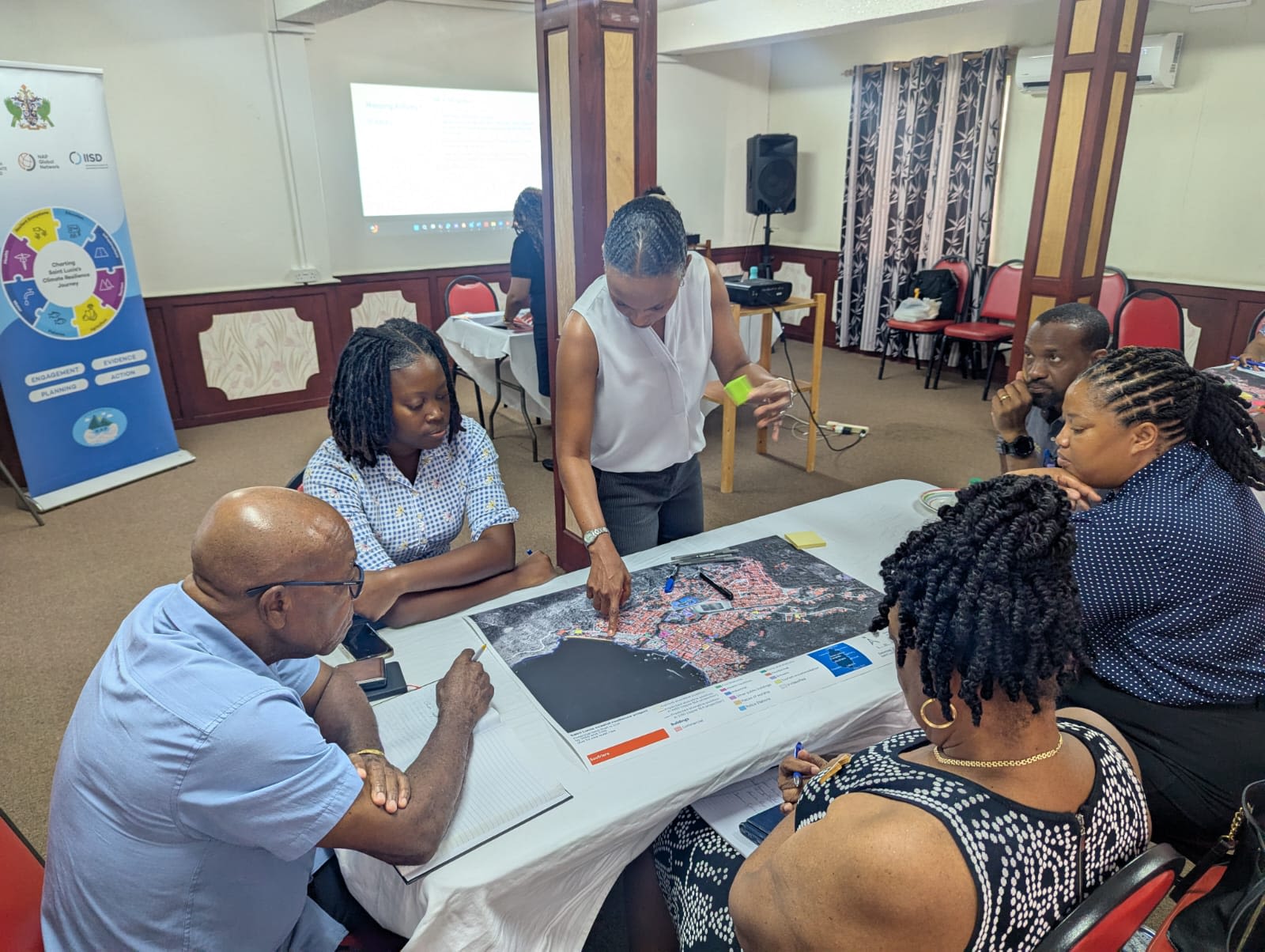
Participants engaged in discussions around coastal climate hazards and their implications. (Saint Lucia)
Participants engaged in discussions around coastal climate hazards and their implications. (Photo: Saint Lucia)

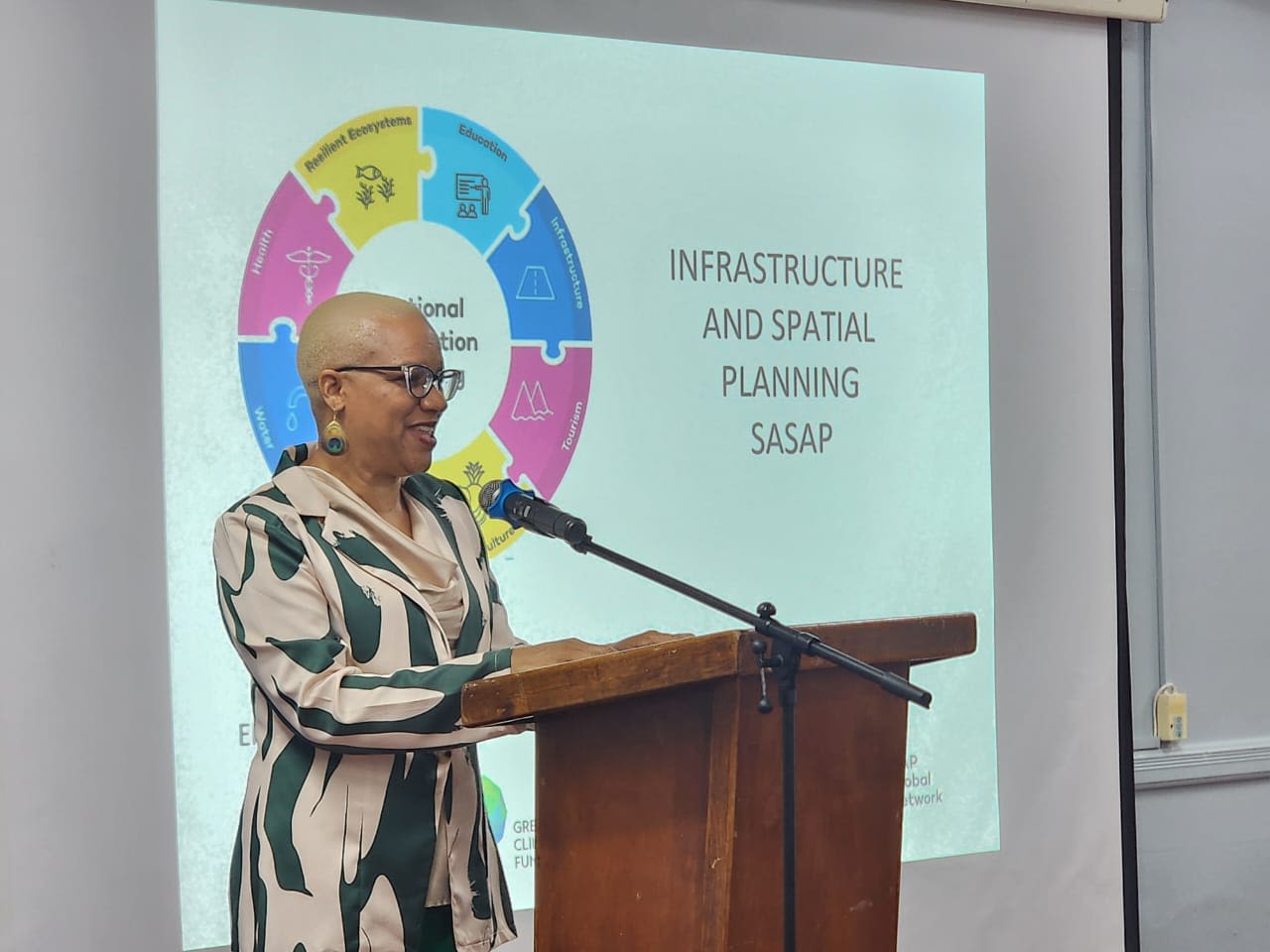
Dawn Pierre-Nathoniel, Chief Sustainable Development and Environment Officer, DSD, shared remarks during Saint Lucia’s focus sessions. (Photo: Saint Lucia)
Dawn Pierre-Nathoniel, Chief Sustainable Development and Environment Officer, DSD, shared remarks during Saint Lucia’s focus sessions. (Photo: Saint Lucia)

Youth Engagement: Creativity as a vehicle for climate awareness
Recognizing that climate action requires cultural and technical solutions, Saint Lucia has integrated the arts into its resilience outreach.
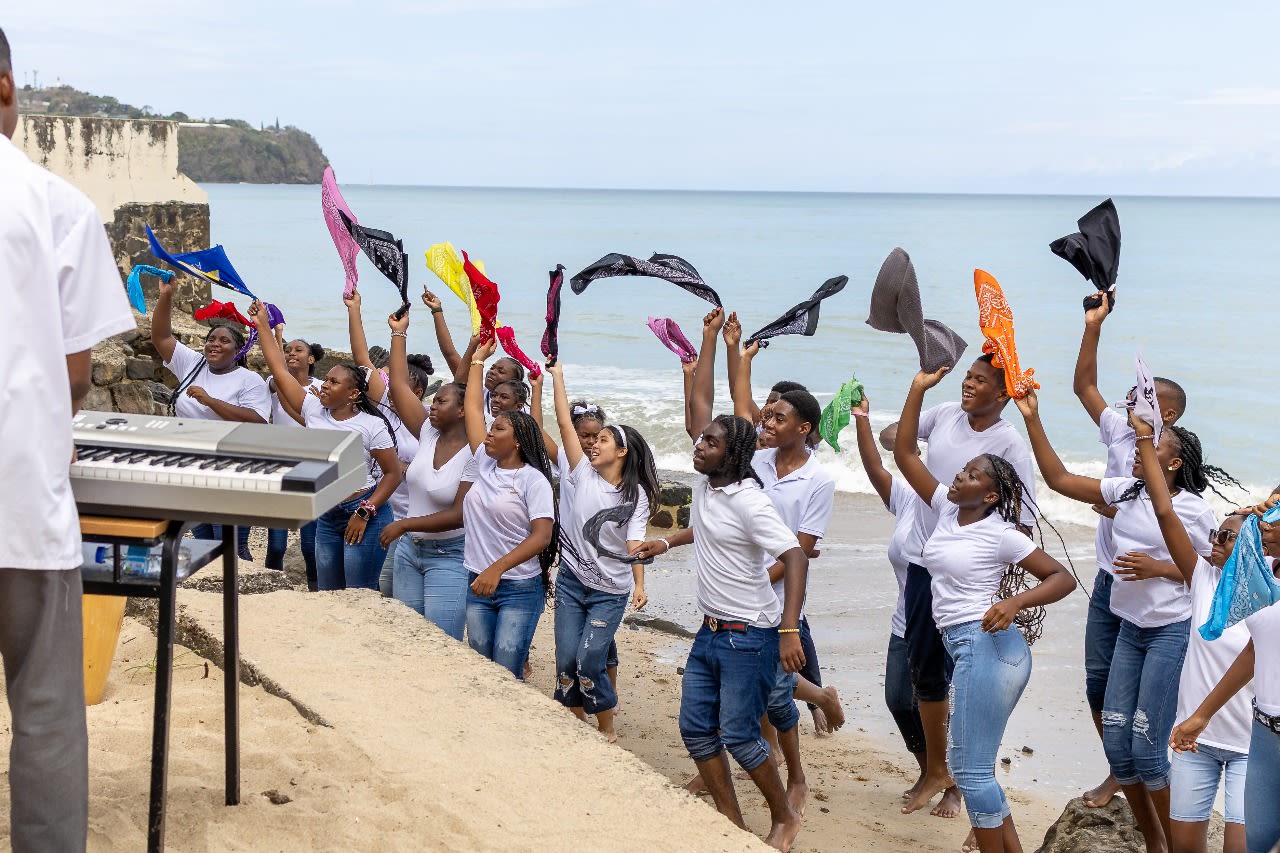
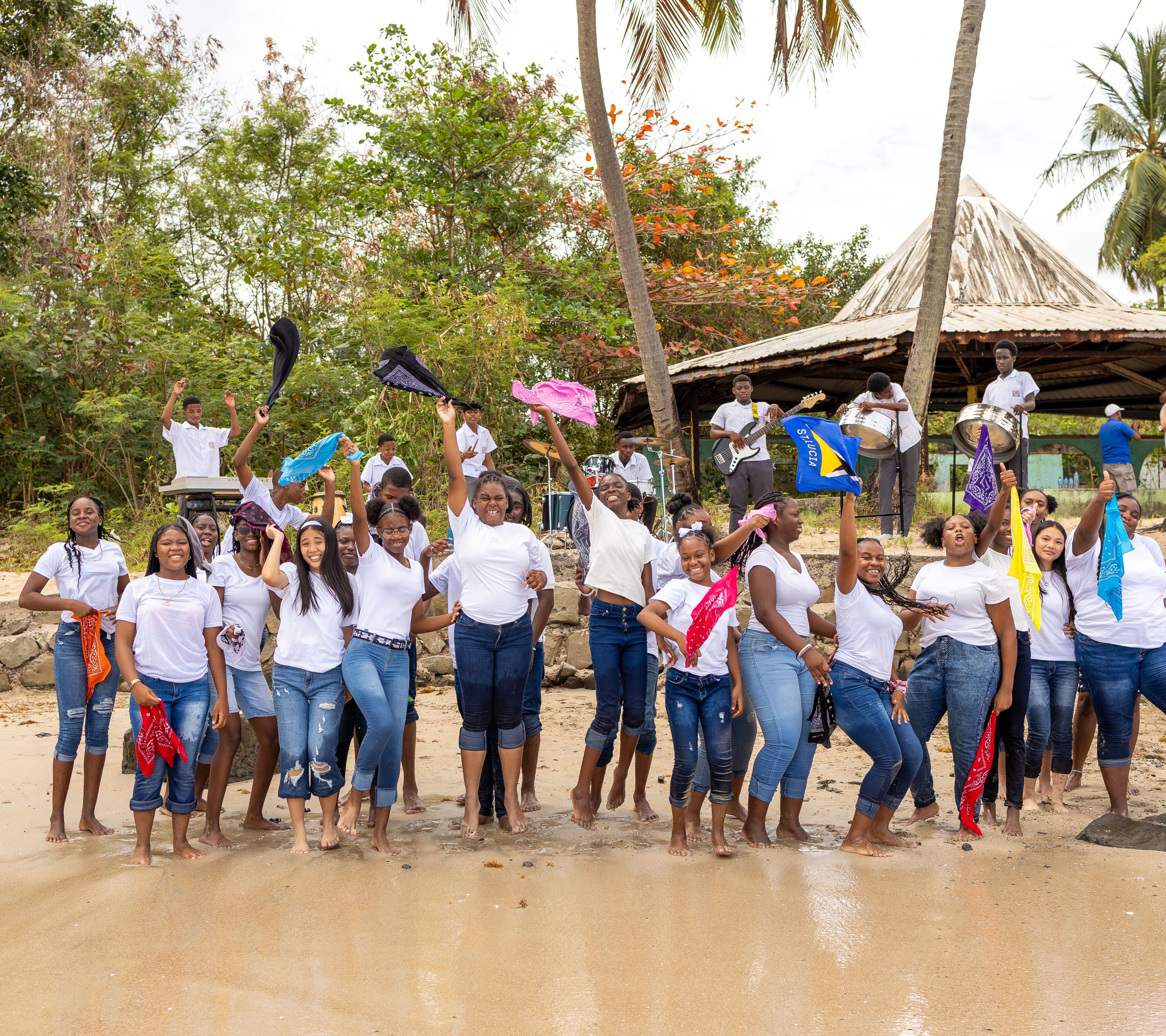
On July 15, 2025, the DSD launched the calypso and music video “Adapt”—a bold awareness-raising initiative. Performed by the three-time national choir champions, Sir Ira Simmons Secondary School Band and Choir, the calypso delivers a rousing call to action, encouraging all citizens to plan, prepare, and respond to climate threats.
This collaboration brought together students, educators, musicians, climate specialists, and private sector sponsors, bridging the gap between policy and public participation. By embedding climate adaptation messages in calypso, a genre deeply woven into Saint Lucia’s cultural fabric, the initiative resonated widely with audiences and energized youth involvement in climate storytelling. Moreover, this calypso performance holds its value as a teaching tool that can be used within classrooms for many years to come.
Watch the calypso music video.
“Adapt” Climate Resilience Calypso Music Video by Sir Ira Simmons Secondary School Band and Choir
Looking Ahead
Engagement and policy development efforts continue under the NAP GCF Readiness Project with the rollout of another component: Private Sector Engagement in Climate Adaptation for Saint Lucia. This component seeks to drive private sector engagement in climate adaptation through the implementation of the Cabinet-endorsed Private Sector Engagement Strategy (PSES). The initiative aims to strengthen private sector capacity, highlight the business case for resilience, and ensure greater private sector contributions to national adaptation priorities.
Though challenges remain for a Small Island Developing State like Saint Lucia, the country continues to demonstrate an unwavering commitment to building climate resilience through active and meaningful engagement. Whether one is a farmer, small business owner, student, or fisher, climate change is everyone’s business. Saint Lucia’s national adaptation planning approach aims to invite citizens to be part of the dialogue that shapes climate policy. With a strong record of leadership in the climate arena and numerous achievements already realized, Saint Lucia moves forward with determination, working toward a safer, more adaptive and sustainable future for all.

Credits
Written by: Danielle Du Bois, National Communications and Stakeholder Engagement Specialist, GCF NAP Readiness Project
Special thanks to: The Government of Saint Lucia, Department of Sustainable Development, students and staff of the Sir Ira Simmons Secondary School and the Project Management Unit of the NAP GCF Readiness Project
© 2025 International Institute for Sustainable Development
Published by the International Institute for Sustainable Development.
This publication is licensed under a Creative Commons Attribution-NonCommercial-ShareAlike 4.0 International License.


 Built with Shorthand